Pillbox Motoring: The New-Car Visibility Squeeze and How to See More of the Road
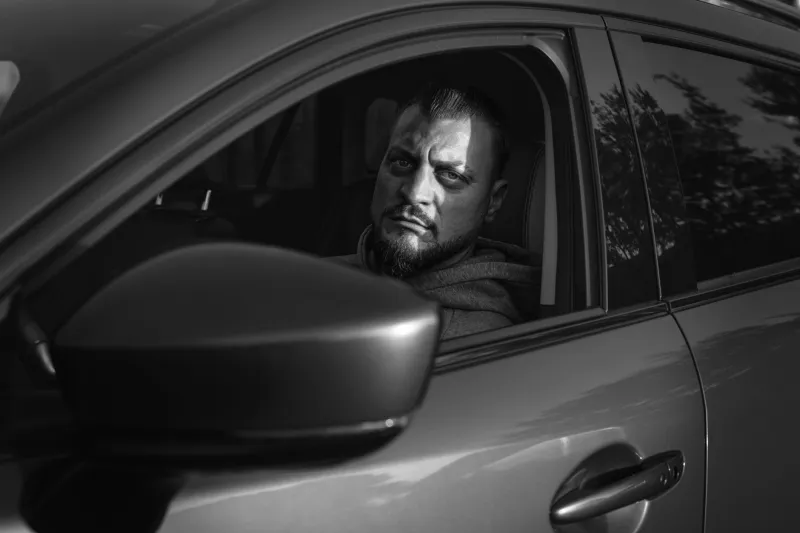
There is a particular moment of panic that arrives when you pilot a shiny 2026 demonstrator into a cramped multi-storey car park. You adjust the seat, twiddle the mirrors, glance over your shoulder — and realise you are peering through a slit. The rear window looks like a letterbox. The A-pillar is wide enough to hide a pedestrian. The dashboard glows with camera feeds, but the actual glass seems to have shrunk.
You are not imagining it. Across the new-car market, visibility has become a trade-off. Style, crash safety, aerodynamics and screen space have all been allowed to nibble away at the greenhouse. The result is a cabin that feels cosy and a view that can feel stingy, especially on the sort of tight, hedge-lined roads that make up so much of Britain's network.
The glass is going, going, gone
Car designers do not sit around plotting to obscure your view. They are balancing a dozen competing demands. Thicker A-pillars help meet rollover and side-impact standards, and they give curtain airbags somewhere to live. Higher waistlines — the line where the metal meets the glass — improve side-impact protection and help cars look planted. Sloping roofs cut drag and make a hatchback look like a coupe.
Then there is the kit. Lane-keeping cameras, rain sensors, adaptive cruise radar and head-up displays all need packaging space. Screens have taken over the centre console, so the windscreen has to house more technology than ever. None of this is unreasonable on its own. Stack it all together, though, and the driver's window on the world can start to feel smaller than it did a generation ago.
The 2026 crop of family SUVs and electric hatchbacks is not uniformly bad. Some models still offer a wonderfully airy view. But the trend is clear enough that visibility deserves a place on your test-drive checklist, alongside boot space and cup holders.
Why UK roads make it worse
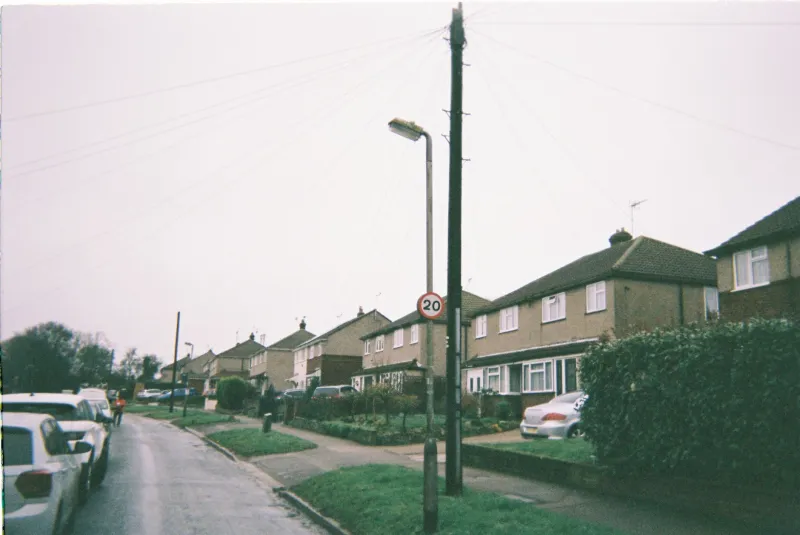
In a wide, flat country with generous lane widths, a thick pillar is an annoyance. In Britain, it can be a genuine hazard. Country lanes in Devon, Cornwall, the Cotswolds and the Yorkshire Dales often leave no margin for error. A high hedge on the nearside, a tight bend and a bulky passenger-side pillar can conspire to hide an oncoming tractor, a horse rider or a cyclist until the last moment.
Town driving has its own challenges. At a busy T-junction, an A-pillar can mask a pedestrian stepping off the kerb or a cyclist filtering past queuing traffic. In a multi-storey, concrete columns and tight ramps demand a clear view over both shoulders. Right-hand-drive cars add their own quirk: when turning left at a junction, the nearside pillar and mirror can obscure bollards, kerbs and people waiting to cross.
Car parks are the acid test. NCP ramps, supermarket bays and school-run chaos all reward a car you can see out of. A reversing camera helps, but it is no substitute for a decent rear window and mirrors you can actually read.
What to check before you buy
Do not judge visibility from the showroom floor. Sit in the car, set the seat and steering wheel as you would for a long drive, then look around properly. Can you see the corners of the bonnet? Can you see across the road at a T-junction? Can you see past the rear headrests?
Take the car somewhere real. Ask to reverse into a tight bay. Check the rear screen in daylight and, if possible, at dusk. Look at the camera image — is it sharp, or a muddy fisheye? Clean or not, does it show the kerb? Check whether the rear headrests fold down; some do, and it makes a surprising difference.
Bring the people who will actually travel with you. A child seat can block a rear-quarter view. A tall passenger can obscure the nearside mirror. Adjust the mirrors properly and see how much of the car's own body is in shot — a sliver is fine, a chunk is not.
Finally, test the aids but do not worship them. Blind-spot monitoring and cross-traffic alert are useful. They are also back-ups, not replacements for a glance over the shoulder. If a salesperson tells you the car has a 360-degree camera, ask to see it in a dim car park with dirty lenses. That is when you will find out how much it really helps.
Simple wins for the car you already own
You do not need a new car to improve your view. Start with clean glass. Interior film builds up quickly, especially in winter, and it turns headlights into smears at night. Clean the inside of the windscreen properly, not just the outside. Replace tired wipers and keep the washer fluid topped up with a proper screenwash, not just water.
Adjust your mirrors after you have set your seat. Many drivers sit lower than they need to, which makes the beltline feel higher. Raise the seat if you can, and check that you can still reach the pedals and see the instruments. Remove clutter from the parcel shelf and the rear footwells. A single headrest or a bag of shopping can turn a small rear window into a useless one.
Small round blind-spot mirrors can help, provided they do not obstruct your main mirror view. Keep parking sensors and camera lenses clean. If you are unsure in a tight space, get out and look — it takes ten seconds and saves a repair bill. And do not hang air fresheners, dash ornaments or charging cables where they block the windscreen.
The bigger picture
Visibility is not a number on a spec sheet, so it rarely gets the scrutiny of boot litres or 0-62mph times. Safety technology has improved enormously, and modern cars are far better at protecting you in a crash. But protecting you is not the same as letting you see the cyclist before the crash becomes possible.
Buyers can vote with their feet. A car with generous glass, sensible pillars and a clear rear screen should be rewarded on the test drive. Until visibility becomes a selling point, the best tool remains your own eyes. Use them properly before you sign, and keep the glass clean once the car is on your drive. On a wet Tuesday in a dim car park, a clear line of sight beats a crisp touchscreen every time.