The Great British Pit Stop Audit: Motorway Services Ranked for 2026
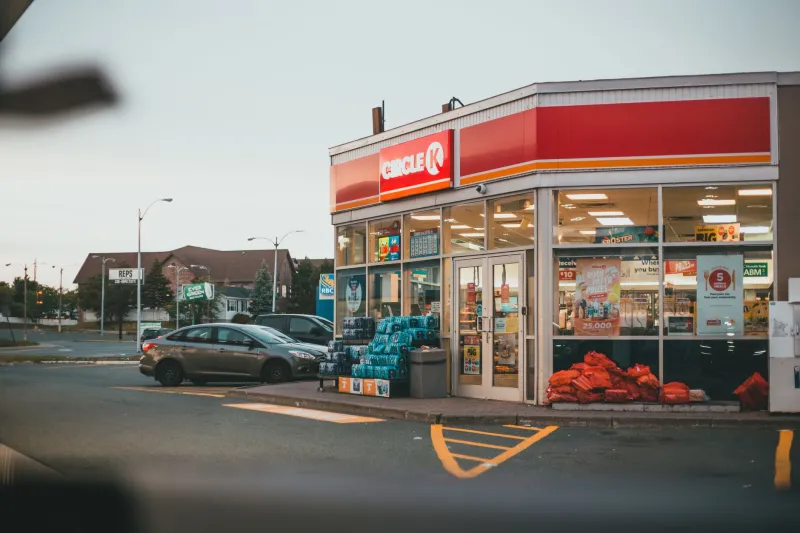
There is a particular kind of despair reserved for the British motorway service station at 8pm on a wet Tuesday. The coffee is lukewarm, the sandwich has clearly been refrigerated since the previous government, and a bottle of water costs more than a pint in your local. And yet we keep stopping, because the alternative is falling asleep at the wheel.
Which is exactly why the good ones stand out so sharply. Over the past year we've pulled into a lot of them — some by choice, several by necessity — and graded them on the things that actually matter to a driver: pump prices, food worth eating, speed of EV charging, cleanliness, and whether you leave feeling mildly fleeced.
How we scored them
Five categories, roughly equal weight. Fuel: how far above the local supermarket average, and whether the site is transparent about it. Food: not whether there's a burger chain, but whether there's anything decent at 7am and 10pm. EV charging: number of stalls and realistic kW, not marketing kW. Cleanliness: loos, forecourt, bins, seating. Value: the overall sting factor.
No freebies, no press trips. This is the view from the car park.
The gold standard
Tebay, M6 Cumbria. Still the benchmark, still run by the same family, still selling proper food made on site and a farm shop that makes you wish your weekly shop was here. The fuel isn't cheap, but the whole thing feels like someone actually cares, which is a startling experience on a British motorway.
Gloucester, M5. Same family, same philosophy, and the northbound site in particular is a genuinely pleasant place to spend twenty minutes. If you can time your journey to hit it, do.
Wetherby, A1(M). The best of the big operators' efforts — decent range of food, a proper outdoor area and, crucially, a charging setup that has kept pace rather than being bolted on as an afterthought.
Oxford, M40. Smaller than the giants but well kept, and the layout means you're not walking half a mile for a coffee.
The solid middle
Most of the network lives here, and that's fine. Strensham, M5, Charnock Richard, M6, Exeter, M5, Beaconsfield, M40 and Reading, M4 all do the job without offending anyone. Clean, predictable, a bit expensive, and perfectly adequate when all you need is a wee and a coffee.
The naughty step
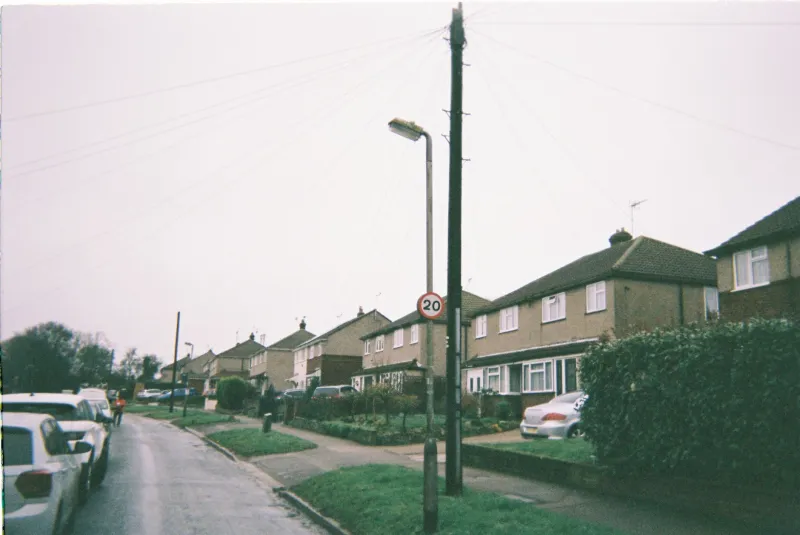
The problem cases tend to share a set of symptoms: worn-out buildings, a food offering that closes at 9pm, and a forecourt price that suggests the site has confused itself with an airport.
Watford Gap, M1 is Britain's oldest and deserves respect for its place in history — but the history is doing an awful lot of the work. Newport Pagnell and Leicester Forest East both have charm in the sense that a 1960s bridge over the carriageway is charming, and both feel overdue a proper refresh. Fleet, M3 on a busy Friday is a test of character rather than a service.
Fuel: the 25p question
Here's the number that should annoy you. Motorway forecourts have historically run 15–30p a litre above the supermarkets, and on a 50-litre fill that's the best part of £15 for the privilege of being near a slip road. The fuel price transparency schemes rolled out in recent years have made it easier to check before you commit, and some sites have sharpened up as a result. Others haven't. Check an app before you pull in, and if you're on a long run, consider filling up just off a junction instead. Your wallet will notice.
EV charging: the quiet revolution out back
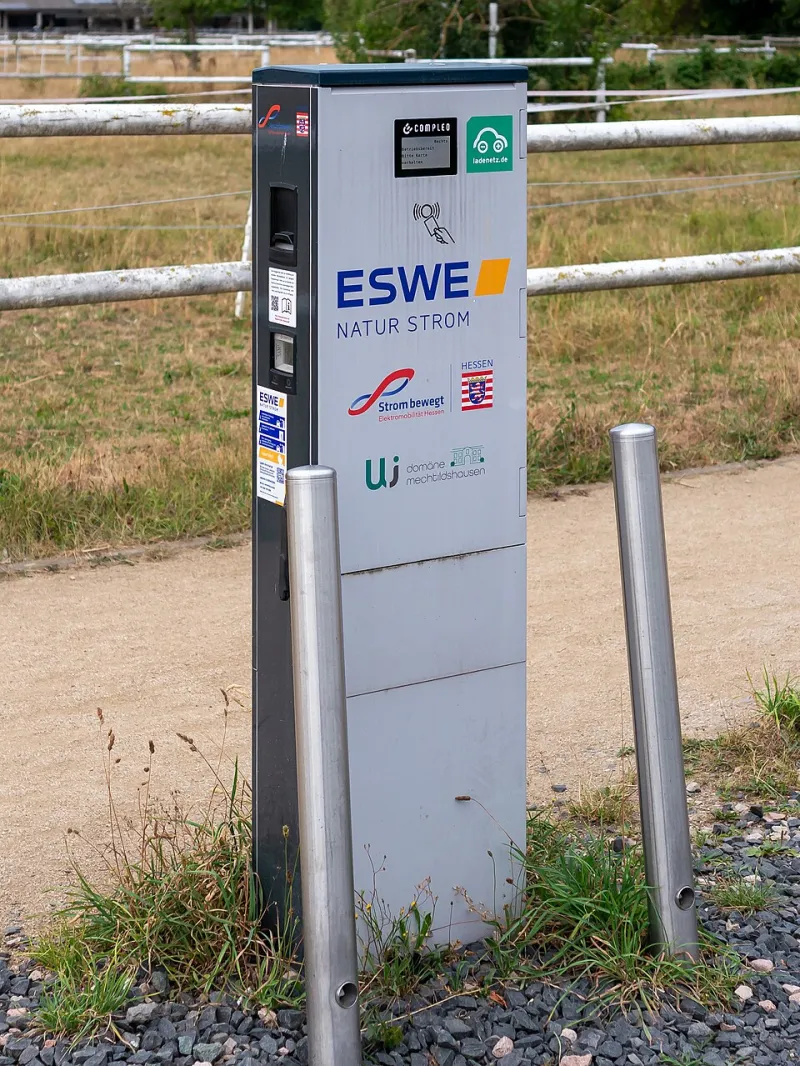
The gap between the best and worst charging provision is now larger than the gap in food. High-power hubs — the 150kW-plus installs at well-invested sites, plus the electric forecourt model that's appeared at a few locations — make a 20-minute stop genuinely viable. Meanwhile some older services still have a lonely pair of 50kW units and a queue of three cars on a Saturday morning.
If you drive electric, plan around charging capacity rather than the services you'd pick for a bacon roll. The two lists are not the same, and the divergence is getting wider.
What the best ones teach the rest
The lesson from Tebay and Gloucester isn't "sell artisan sausage rolls." It's that a service station is a building full of tired people, and treating them as customers rather than captives pays. Clean loos, food that's made rather than defrosted, and prices pitched just below insulting.
Most of the network has quietly inched forwards on exactly those points. The laggards are the ones still relying on geography — the fact that you have no choice but to stop there.
Our advice for 2026: build your stops into the plan the way you'd build in a fuel stop. Twenty minutes at a good services resets you properly. Ten minutes at a bad one just makes you cross.