Third Pedal Problems: Is the Manual Gearbox Becoming a British Curiosity?
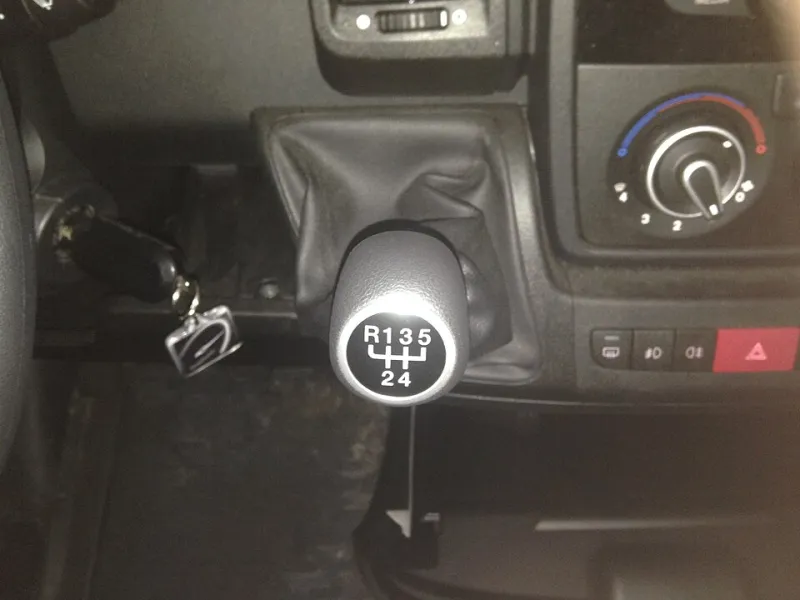
Photo: Christian Giersing, CC BY-SA 3.0, via Wikimedia Commons
There's a moment, usually somewhere around the third set of lights, when a manual gearbox stops feeling like a skill and starts feeling like a chore. For a growing number of British drivers, that moment is arriving earlier than it used to — and it's reshaping what we learn in, what dealers will pay for, and what your car is worth when the keys finally change hands.
Let's be clear from the off: the manual isn't dead. You can still order one new in the UK in 2026. But the list is shorter than it was, the discounts are stranger, and the resale picture has split cleanly down the middle. Here's what's actually happening.
The learner lane moved first
Driving instructors are the canary in this particular coal mine. A decade ago an automatic-only pupil was an exception; now many schools run autos as a matter of course and report that a decent share of new bookings ask for them by default. That's partly generational familiarity with hybrids and EVs, and partly simple arithmetic: if you're going to spend your driving life in cars with two pedals, why spend lesson money mastering three?
The catch is the licence restriction. Pass in an automatic and you're limited to automatics, full stop. That's a decision made at 17 that follows you through cheap first cars, van-hire counters and rental desks abroad for years. Manual tuition usually doesn't cost much more per hour, so unless you're certain of your future fleet, keeping the manual option open is rarely money wasted.
What the forecourt is telling us
Walk a franchised dealer's used lot and the pattern is obvious. Base-spec superminis and family hatches with manuals sit longer. Part-ex desks quietly value them below the automatic equivalent, because the next buyer — often an older driver or a family upgrading — wants the easier option. Meanwhile, anything remotely enthusiast-flavoured with a stick shift gets its own advert wording and, sometimes, its own price premium.
So the manual market has become a barbell. Loads of ordinary ones, not much demand. Very few desirable ones, plenty of demand. Everything in the middle is where sellers get a nasty surprise.
Where the money still works in a manual's favour
Three pockets of value survive, and they're worth knowing.
Cheap first cars. Manual superminis are still the cheapest route into motoring. Purchase price is lower, insurance groups are often kinder, and the mechanical simplicity means an independent garage can sort most problems without a diagnostic subscription.
Repair economics. A worn clutch is a known cost — typically a few hundred pounds depending on the car, with a dual-mass flywheel adding to the bill. Compare that with a failed dual-clutch gearbox mechatronic unit, which can run into four figures and requires someone who genuinely knows the unit. On a ten-year-old hatchback, that difference decides whether a car is fixed or scrapped.
Enthusiast metal. Limited-run hot hatches and sports coupes with manuals have become collectible in a way nobody predicted. Buyers pay for the interaction. If you own one, treat the gearbox as a feature, not an inconvenience.
What you actually give up
Honesty time. A manual in stop-start traffic on the A406 is not character-building, it's just tiring. Clutch legs are real, particularly if you've got a heavy pedal and a 40-minute commute. And there's a slow-burn risk: as manual numbers fall, the number of technicians who've recently driven one falls too. Not a crisis, but worth noting when you book a test drive with a younger service desk.
On the plus side, engine braking still helps in slippery weather, and there's a quietly underrated security angle — a surprising number of opportunistic thieves simply can't drive a manual. That's not a reason to skip an immobiliser, obviously.
Buying a manual in 2026: the practical checklist
- Don't pay a premium on an ordinary car. On a base-spec hatchback the manual should be the cheaper option, not the dearer one. If a dealer is asking more, walk.
- Test the clutch properly. Find a quiet incline, select a higher gear at low revs and put your foot down. If the revs climb without the speed following, budget for a clutch.
- Check the bite point. Very high on the pedal usually means wear is well advanced.
- Ask for receipts. A clutch and flywheel job documented in the history file is worth more than a shiny valet.
- Think about the long game. If you plan to keep the car eight years or more, ask yourself whether you'll still want a heavy pedal at 60.
- If it's a performance model, buy on originality. Matching numbers, full history and unmodified examples command the money.
Selling one: how not to leave cash on the table
If your manual is a niche or fast model, don't part-exchange it blind. A trade valuation will often treat it as the base automatic with a quirk. Sell privately through owner groups, photograph the pedals and shifter as selling points, and price against what similar cars have actually sold for rather than what's been listed for months.
If your manual is an ordinary hatchback, be realistic. Price it at or just under the automatic equivalent, write an advert that mentions the clutch history, and expect interest from first-time buyers and second-car shoppers. Those are your buyers — lean into it.
The verdict
Britain isn't losing the manual so much as narrowing it. It's becoming a specialist choice, kept alive by cheap runarounds, driving-school economics and a stubborn band of enthusiasts who like doing things the hard way. That's not extinction — but it is a change in who the third pedal is for, and anyone buying or selling in 2026 should price accordingly.