Vehicle Tax in 2026: The Models That Win, the Ones That Hurt, and the Levers You Can Pull
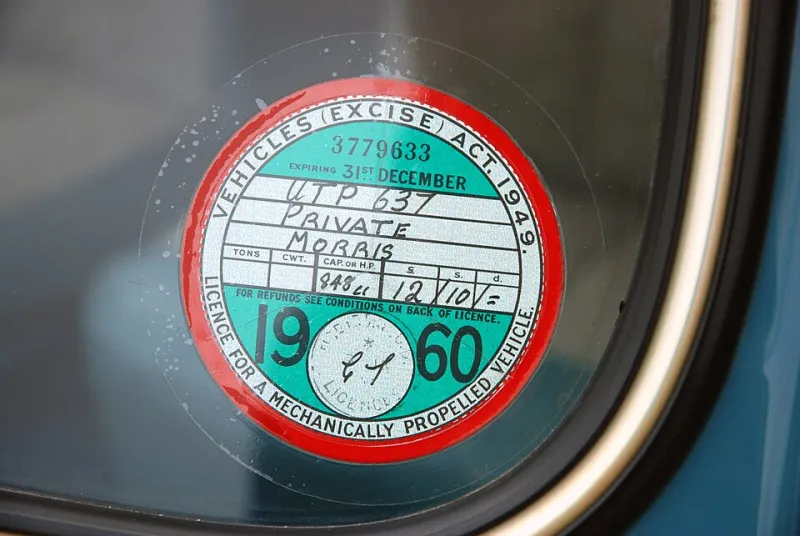
Photo: allen watkin from London, UK, CC BY-SA 2.0, via Wikimedia Commons
Vehicle Excise Duty—car tax to the rest of us—is one of those costs that is easy to ignore until the renewal lands. In 2026, with the April changes now in force, it is worth paying attention before you sign on the dotted line. The gap between a sensible spec and a flash one can be hundreds of pounds a year, and it is not always obvious from the brochure.
The short version: the free lunch is over
For years, electric cars were the tax-free golden child. That ended in 2025, and 2026 has simply bedded in the new normal. EVs now pay a token first-year charge and then the standard rate from year two. Hybrids can still get a small discount in some cases, but it is no longer a loophole. Petrol and diesel drivers are paying a little more on the standard rate, and the expensive-car supplement is still waiting for anything with a list price over £40,000.
Winners: small, light and sensible
The biggest winners are not glamorous. A low-CO2 petrol supermini—think Dacia Sandero, Toyota Aygo X or a base Vauxhall Corsa—sits in a modest first-year band and then settles into the standard rate. You are not saving a fortune, but you are not being punished for driving something sensible either.
Hybrids like the Toyota Corolla or Kia Niro can still make sense, especially if you do lots of town miles. But check the exact CO2 figure for the trim you are buying. Bigger wheels and heavier options can push a car into a higher band for no real benefit. That is the quiet trap.
Losers: heavy SUVs and the £40k cliff
The losers are heavier cars with higher CO2 and a list price over £40,000. A large diesel SUV—think BMW X5, Volvo XC90 or a high-spec Land Rover Discovery—can attract a hefty first-year rate and then the expensive-car supplement for years two to six. Even some plug-in hybrids get caught because options push the list price over the line.
That supplement is the one that really stings. It is not about how green the car is; it is about the sticker price. A £39,995 car with a few options can tip into £40k-plus territory and cost you hundreds extra each year. Always check the list price with the options you actually want, not the headline 'from' price.
Real-world examples
Let us be clear: these are ballpark figures, and you should always check the DVLA's tables using the exact CO2 and list price. But here is how it shakes out in practice.
- Dacia Sandero 1.0 TCe: low CO2, modest first-year band, then the standard rate. One of the cheapest new cars to tax.
- Toyota Corolla 1.8 Hybrid: low CO2 and a small alternative-fuel discount on the standard rate. Sensible, not sensational.
- Tesla Model 3: token first-year charge, then the standard rate. Still cheap by premium-car standards, but no longer free.
- BMW X5 xDrive30d: high CO2 and a list price well over £40k. First-year rate hurts, then the supplement keeps hurting.
- Kia Sportage 1.6 Hybrid: mid-range CO2, standard rate, but watch higher trims with bigger wheels.
The £40k trap
The expensive-car supplement is the single biggest tax trap for private buyers. It applies to cars with a list price over £40,000—including factory options—for years two to six of registration. A mid-spec family SUV can easily cross that line. If you are close, consider a lower trim or skip the panoramic roof and big alloys. You might miss the toys, but your annual tax bill will thank you.
How to trim your bill
- Shop by CO2, not just mpg. The first-year rate and standard rate both depend on emissions for new cars.
- Stay under £40k list price. Check the price with options, not the base model.
- Do not over-spec. Bigger wheels and heavier extras can push CO2 up.
- Consider a pre-April 2017 used car. Older cars are taxed on their original CO2 band, and some low-emission models are very cheap to tax.
- Check the first-year rate separately. It is a one-off cost for new cars, but it can be a shock.
- Use the DVLA's online calculator. Put in the exact model, trim and options.
- If you are buying used, ask for the V5C and check the tax rate before you commit.
- Do not SORN unless the car is genuinely off the road. Driving without tax is a costly mistake.
The bottom line
Car tax in 2026 is not a reason to abandon the car you want, but it is a reason to read the small print. A lower trim, a smaller wheel option or a different engine can save you real money every year. And if you are going electric, enjoy the lower running costs—just do not expect a free pass from the taxman.
The smartest move? Treat VED like insurance: shop around, check the details, and do not let the headline price fool you.