Pothole Patrol: How to Protect Your Car From Britain's Road Crater Epidemic in 2026
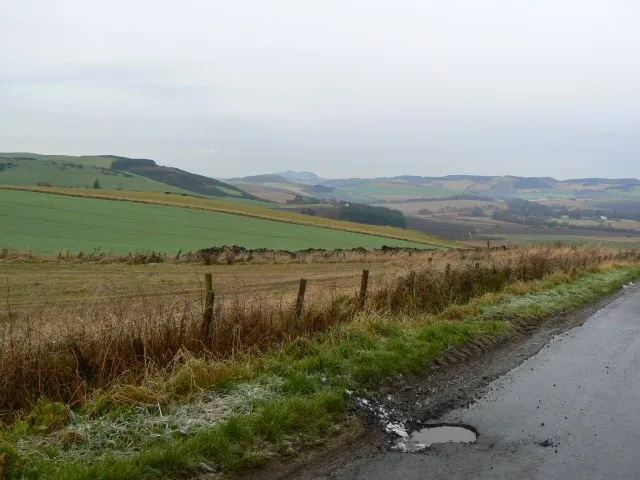
Photo: James Allan, CC BY-SA 2.0, via Wikimedia Commons
British roads have always had a sense of humour. In 2026, the joke is on our alloy wheels. Potholes are deeper, repair bills are higher, and the council claims process still feels like a part-time job. The good news? A bit of preparation can save you a fortune—and if you do hit a crater, knowing the right steps makes a compensation claim far less painful.
Know the warning signs
Pothole damage is not always obvious. You might hear a bang, wince, and carry on. But the damage can show up days later. Watch for:
- A bulge or blister on the tyre sidewall. That is a weak spot and an MOT failure waiting to happen.
- Vibration through the steering wheel or seat.
- The car pulling to one side.
- A clunk or knock over bumps.
- Uneven tyre wear or a dented wheel rim.
- A sudden drop in tyre pressure.
If you spot a bulge, do not drive on it. Swap to the spare or call for recovery. A blowout at speed is not worth the risk.
Prevention: tougher tyres and smarter pressure
You cannot fix the roads, but you can make your car more resilient.
First, think about tyre choice. Ultra-low-profile tyres look great but offer very little sidewall to absorb a pothole impact. If you live somewhere with crumbling tarmac, a tyre with a bit more sidewall and a reinforced construction is a smarter bet. Look for XL or extra-load markings, and consider all-season tyres with a tough sidewall if you want year-round protection.
Second, check your tyre pressures monthly. Use the manufacturer's figures, check when the tyres are cold, and do not overinflate to 'protect' the rims—it makes the ride harsher and can reduce grip. Correct pressure is the sweet spot.
Third, slow down. You do not need to crawl, but a sensible speed gives your suspension a fighting chance. And do not swerve wildly into another lane to avoid a pothole; that is how you cause a different accident.
Finally, report potholes. Use your council's online portal or FixMyStreet. It helps the next driver, and it creates a paper trail if you later claim.
If you hit one: the roadside checklist
Pull over somewhere safe as soon as you can. Then:
- Check the tyre for bulges, cuts or pressure loss.
- Look at the wheel rim for dents or cracks.
- Bounce each corner of the car gently—if it keeps bouncing, the shock absorber may be worn.
- Note the exact location, time and direction of travel.
- Take photos before you move the car if it is safe to do so.
Claiming from the council
If the pothole damaged your car, you can claim compensation from the authority responsible for that road. For local roads, that is usually the council. For motorways and major A-roads, it is National Highways.
The process is not quick, and councils have a legal defence if they can show they had a reasonable inspection system in place. So evidence is everything.
The photo checklist
Take these shots before you leave the scene:
- A wide shot showing the pothole in context with the road, kerb or landmarks.
- A close-up of the pothole with a scale—a coin, a tyre gauge or your foot works.
- A close-up of the damage to your tyre, wheel or bodywork.
- The dashboard showing the time and date, if your phone's metadata is not reliable.
- Any road signs or markings that identify the location.
- Your repair invoice or a written quote from a garage.
Keep the originals. Do not edit or crop them. And save any dashcam footage—it is gold.
The claims process in brief
Report the pothole to the council first. Then submit a claim with your evidence, repair receipts and two quotes if you have not had the work done yet. Be polite but persistent. Keep copies of everything. If the council rejects you, ask for the inspection records for that road. If you are still stuck, you can escalate to the local government ombudsman or consider small claims court, but that is usually a last resort.
The bottom line
Potholes are a fact of UK driving in 2026. You cannot avoid every crater, but you can reduce the risk with sensible tyres, correct pressures and a bit of attention. And if the worst happens, document everything. Your future self—and your bank balance—will thank you.