The Old Car Ultimatum: A Ten-Step Scorecard for Scrapping or Spending

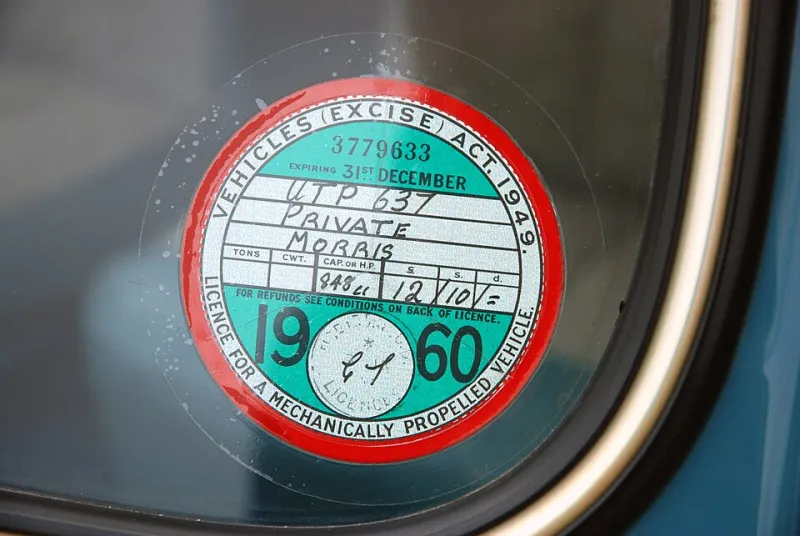
Photo: Shixart1985, CC BY 2.0, via Wikimedia Commons
Every UK driver with an ageing car eventually faces the same moment. The garage rings up, says the words “it needs welding” or “the clutch is gone”, and then quotes a figure that sounds suspiciously close to what the car is worth. Suddenly you are not just deciding on a repair. You are deciding on a relationship.
The old car has history. It has taken the kids to school, survived supermarket car parks and never complained about the dog. But sentiment does not pay the bill. This ten-step scorecard is designed to separate the motors worth saving from the ones that are quietly draining your bank account.
Step 1: Get the real repair bill in writing
A verbal estimate is not a decision-making tool. Ask for a written quote that separates parts, labour, VAT and anything that might be discovered once the spanners come out. A £600 quote can become £900 if the garage finds a corroded brake line or a seized bolt. If the garage will not put it in writing, find another garage.
Step 2: Price the car as it sits
Use a realistic private-sale value, not the optimistic figure from a classified advert. Check completed listings, webuyanycar-style instant offers and part-exchange quotes. A 2010 Ford Fiesta with 110,000 miles and a fresh MOT might be worth £1,200 privately; the same car with a major fault might be worth £250 to a breaker. That gap matters.
Step 3: Rust — the silent deal-breaker
Mechanical parts can be replaced. Structural rot is a different conversation. Sills, subframes, suspension mounts and floor pans are expensive to repair properly, and a patch that looks tidy in June can be an MOT failure by November. If the corrosion is in a prescribed area, get a second opinion from a bodywork specialist before you spend a penny on the engine.
Step 4: Parts availability and garage appetite
A popular model is easy to keep alive. A rare import or a discontinued city car can turn a simple job into a parts hunt. Check whether pattern parts are available and whether your local garage is willing to work on the car. Some workshops avoid older vehicles because seized fasteners and brittle plastics eat time.
Step 5: Clean air zone compliance
If you drive into London’s ULEZ, Birmingham’s Clean Air Zone or Bristol’s CAZ, a non-compliant diesel can cost £8 to £18 a day. That is £2,000 to £4,500 a year if you commute five days a week. Suddenly a £1,500 repair on a compliant petrol car looks like a bargain. Check the rules for every zone you use regularly, not just the one on your doorstep.
Step 6: Future MOT and tax risk
An older car can pass today and fail spectacularly next year. Look at the MOT history online: repeated advisories for the same item are a warning. Check vehicle tax and insurance costs too. A cheap car with high group insurance and rising tax can cost more over three years than a newer, more efficient model.
Step 7: Fuel and running costs
Do the maths on your actual mileage. A 25 mpg petrol estate doing 12,000 miles a year will drink roughly £2,900 of fuel at £1.45 a litre. A 50 mpg diesel would use far less, but only if it is healthy and not clogging its DPF on short trips. Factor in tyres, servicing and the odd £300 surprise.
Step 8: Safety and family needs
An old car can be mechanically sound and still be the wrong tool for a growing family. Check crash safety, child-seat anchors, airbag recalls and whether the car has basic stability control. If you regularly carry passengers, safety should outrank nostalgia.
Step 9: The emotional premium
Be honest about why you want to keep it. A first car, a inherited estate or a project with sentimental value can be worth saving — but put a number on that feeling. If you would happily spend £1,000 on a hobby, then a £1,000 repair on a car you love is not irrational. If you are keeping it because you dread the hassle of replacing it, that is not sentiment; that is avoidance.
Step 10: Score it and set a walk-away number
Give each of the first nine steps a score from 0 to 2. Two means strong, one means manageable, zero means serious trouble.
- 14 or more: repair it. The car is earning its keep.
- 8 to 13: get two quotes and compare with replacement cost.
- 0 to 7: scrap, sell for parts or part-exchange. Do not sink good money after bad.
Then set a hard ceiling. If the repair exceeds 50% of the car’s realistic value — or 30% if the car is your only transport and you cannot afford downtime — walk away unless the car is genuinely special.
The UK cost reality check
A £700 clutch on a £1,200 Corsa is borderline. A £1,400 timing chain on a £2,000 Golf can make sense if the body is solid. A £600 welding bill on a £900 Yaris with a fresh MOT is usually worth doing, because replacing it with something decent will cost £3,000 or more. But a £1,200 DPF replacement on a scruffy diesel that also needs tyres and suspension? That is the point where the spreadsheet should win.
Scrapping is not failure. Sometimes it is the cheapest way to stop a bad decision from getting worse. But sometimes spending £800 on a known car is far smarter than spending £6,000 on an unknown one. Use the scorecard, get the quotes in writing, and let arithmetic have the final word — after you have given the old motor one last fair hearing.