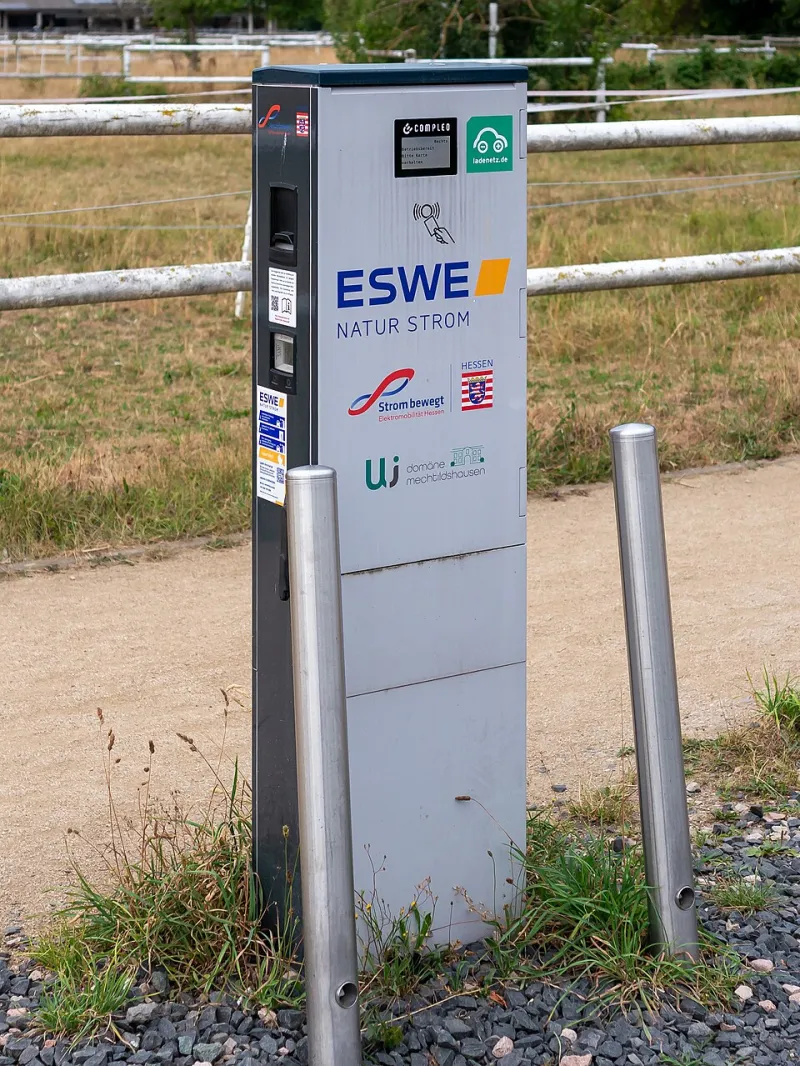
Kerbside Current: The Real-World Rules of Charging an EV Without a Driveway

Photo by Photo by James Read on Unsplash on Unsplash
The extension lead that became a national conversation
For anyone with a driveway, charging an electric car is almost boring. You plug in, you walk away, you pretend to understand the app. For everyone else — and that is a lot of British drivers — the same simple act turns into a small planning enquiry involving pavements, councils, insurance small print and the delicate art of not annoying next door.
In 2026, the kerbside charging picture is better than it was, but it is still a patchwork. There is no single national rulebook that says “yes, run a cable across the footway here.” Instead, the answer depends on where you live, who owns the pavement, what your local highway authority allows, and whether your street has been included in a trial scheme. That is not exactly the tidy future the brochures promised, but it is workable if you go in with your eyes open.
First, the awkward truth about “home charging”
Home charging is usually the cheapest and most convenient way to run an EV. But “home” charging really means “off-street charging”. If your car sits on the road, you are not plugging into your own private supply in the same way a driveway owner is. You are asking a public footway to host a cable, even if only for a few hours.
That is why the conversation quickly moves from cars to highways. In England, Scotland and Wales, local authorities have different policies and different appetites for risk. Some have embraced cross-pavement solutions. Others have quietly decided that cables across the footway are an obstruction and a trip hazard, full stop. Neither position is unreasonable. A cable that is merely a mild nuisance to a fit adult can be a genuine barrier to someone using a wheelchair, a pushchair or a white cane.
What is actually allowed in 2026?
There is no blanket national permission for trailing a charging cable across a pavement. The legal backdrop includes highway obstruction rules, health and safety duties and local highway authority policies. In practice, that means you need to ask your council before you assume anything. A neighbour’s setup is not proof that yours is allowed; they may have permission, they may be part of a pilot, or they may simply be getting away with it.
Cable gullies — channels cut into the pavement or kerb to let a cable sit flush — are one of the more talked-about solutions. But a gully is not a magic loophole. It is usually a piece of highway infrastructure, and cutting or altering a pavement without permission is not a DIY job. Some councils have trialled gullies, pop-up chargers and lamppost charging. Others have not. If your street is in a trial area, you may need to use an approved installer and an approved chargepoint. If it is not, the answer may be a firm “not yet”.
The questions to put to your council
Before you buy the car, ring the council — or better still, email them so you have a paper trail. Ask specifically:
- Does the highway authority permit cross-pavement charging cables in my street?
- Are cable gullies or cable channels allowed, and is there an application process?
- Is my street part of any kerbside charging trial or pilot?
- Do I need a permit, licence or indemnity insurance?
- Are there restrictions on the type of chargepoint or installer?
- What about conservation areas, listed buildings or streets with narrow footways?
- Who is responsible if someone trips over the cable?
If you rent, ask the landlord or managing agent as well. If you live in a flat with a shared forecourt, the freeholder or management company may have its own rules. “I’ll just be careful” is not a legal defence, and it is not much of a neighbourly one either.
Cable gullies and the pilot-scheme patchwork
Where gullies have been allowed, they tend to come with conditions: a specific chargepoint, a qualified installer, a cable that sits neatly in the channel, and a requirement that the footway is left safe. Some schemes have been aimed at terraced streets where off-street parking simply does not exist. Others have focused on lamppost charging, which avoids the cross-pavement issue altogether by putting the power source at the kerb.
The catch is that a pilot in one borough does not create a right in the next. If you move house, do not assume the arrangement travels with you. If you buy a car on the strength of a council email, keep that email. Schemes can be paused, defunded or changed, and you do not want to be the person who discovers that after the chargepoint is bolted to the wall.
Charging safely without turning the pavement into a obstacle course
If you do have permission — or you are using a lawful off-street arrangement — the basics matter more than the gadgetry. Use the proper Mode 3 charging cable that came with the vehicle or chargepoint, not a domestic extension lead. Keep the run as short as possible. Use a cable protector or gully where required. Do not daisy-chain extension leads, do not leave connectors lying in standing water, and do not string a cable across the road to reach a parking bay on the other side.
Check the cable before each use for cuts, crushed sections or damaged plugs. Keep the connector clean and dry. If the cable crosses a footway, it should not create a lip, a loop or a puddle trap. Think about the school run, the bin lorry, the delivery driver and the person with a mobility scooter. If your setup would make you hesitate while pushing a pram, it is not good enough.
Insurance, liability and the small print
This is the part people skip. Tell your insurer what you are doing if you are charging at the kerbside or across a footway. Ask whether your home policy or motor policy provides public liability cover for a cable on a public path. Ask the council whether their permission requires you to hold indemnity insurance. If someone trips, the question of who pays can get ugly fast, and “the cable was only there for an hour” may not be the comfort you hope it is.
If you rent, check the tenancy agreement. If you live in a leasehold flat, check the lease and the management rules. If you are in a conservation area, check before you drill, cut or mount anything. The paperwork is dull, but it is cheaper than an argument with a highways officer or a solicitor.
Neighbourly diplomacy is not optional
Kerbside charging is a shared-space activity, whether the law says so or not. Talk to your neighbours before you install anything. Explain what you are planning, when you will charge and how you will keep the pavement clear. If someone needs the space for a mobility aid or a pushchair, have a plan. If a neighbour objects, listen first and argue later. A short conversation now can save months of passive-aggressive bin placement.
It also helps to be realistic about your car’s charging needs. If you do low mileage, you may not need to charge every night. A smaller battery and a weekly top-up at a public charger may be less hassle than a nightly kerbside ritual. If you do high mileage, check whether a nearby public rapid charger or workplace charger can carry more of the load.
The bottom line for driveway-less drivers
Charging without a driveway in 2026 is not impossible, but it is not plug-and-play either. The winning approach is boringly practical: check with the council, get permission in writing, use approved kit, insure yourself properly, keep the footway clear and speak to the people who share your street. The technology is improving, and more kerbside schemes are appearing, but the local authority still holds most of the cards. Do the homework before you buy the car — not after.
At Auto Vista, we would rather you spent twenty minutes on the council website than twenty weeks untangling a cable, a complaint and a claim.