Small Trips, Big Bills: The Case Against Britain's Short-Hop Car Habit

Photo by Photo by BEN ELLIOTT on Unsplash on Unsplash
British drivers are rather good at the short hop. The school run, the dash to the local supermarket, the station drop-off, the trip to a mate's house two streets away — each one feels too small to matter. But a car does not judge a journey by how important it is. It judges by heat, load and time, and plenty of tiny trips are quietly expensive.
This is the short-hop problem. It is not a single fault and it will not usually strand you at the roadside. Instead, it is a slow accumulation of small stresses: engines that never fully warm up, batteries that never quite recharge, brakes that seize through lack of use and electric cars that burn through range on cabin heating before the drivetrain has done anything useful. None of it is dramatic. All of it shows up eventually, usually on a garage invoice.
The engine that never gets warm
A petrol or diesel engine is happiest when it is up to temperature. Short journeys interrupt that process. The oil stays cooler and thicker for longer, the exhaust does not get hot enough to dry out properly, and moisture can build up inside the system. Over months of repeated two-mile runs, that can mean more wear per mile than a car that spends its life cruising steadily on A-roads.
Diesel drivers have the sharper end of this. Modern diesels rely on a diesel particulate filter, or DPF, to catch soot. The filter needs a decent run at higher speed and load to regenerate — in plain English, to burn off what it has collected. A diet of stop-start short trips can clog it. A warning light, a trip to the garage and a costly forced regeneration are not unusual. In the worst cases, the filter has to be replaced.
Petrol cars are not immune. They can suffer from oil dilution, where fuel finds its way into the engine oil during repeated cold starts and short runs. That thins the oil and reduces its protection. It is not a reason to panic after one school run, but it is a reason to stick to the service schedule and use the right oil.
The EV twist
Electric cars avoid exhaust filters and oil dilution, but they have their own short-hop tax. The biggest one is cabin heating. On a cold morning, an EV may spend a surprising amount of energy warming the interior and the battery before you have gone a mile. Efficiency around town is usually good, but repeated very short trips in winter can make the miles-per-kWh figure look grim.
There is a mechanical side too. Regenerative braking means the friction brakes are used less, and less use can lead to rust and sticking calipers, especially in damp British weather. Add in the usual tyre wear from tight urban turns and the occasional pothole, and the short-hop EV still needs looking after.
The 12V battery nobody thinks about
Every car — petrol, diesel or electric — has a small 12V battery that runs the electronics and helps the car start or wake up. Short journeys give the alternator or DC-DC converter little time to replace the energy used for starting, lights, wipers and screens. Do that day after day in winter and the battery can drift towards a flat. That is why a car that only does tiny trips may crank slowly or throw odd electrical warnings.
A smart trickle charger can be a sensible investment for low-mileage cars. So can a weekly longer run, not just to charge the battery but to get fluids moving and brakes working.
The wallet side
Short trips are inefficient by nature. A cold engine uses more fuel, an EV uses more energy for heating, and wear per mile can be higher. Then come the bigger bills: a clogged DPF, a tired battery, corroded brakes or a service that reveals more contamination than expected. None of these are guaranteed, but the risk rises with every repeated cold start.
There is also the depreciation angle. A low-mileage car sounds attractive, but a low-mileage car that has only ever done one-mile hops may not be the bargain it appears. Service history and use pattern matter.
Practical fixes for short-hop drivers
You do not need to turn every trip into a motorway marathon. Start by grouping errands: one slightly longer loop with several stops is usually kinder than four separate cold starts. If you can walk or cycle for journeys under a mile, do it — it saves fuel, wear and the inevitable hunt for parking.
For petrol and diesel cars, aim for a proper run every week or two: 20 to 30 minutes at steady speed, when traffic allows. That helps the exhaust get hot and gives the battery a chance. Keep up with servicing, use the correct oil, and do not ignore a DPF warning light. For EVs, precondition the cabin while plugged in if you can, use seat heating rather than blasting the cabin fan, and make sure the brakes get some genuine use now and then.
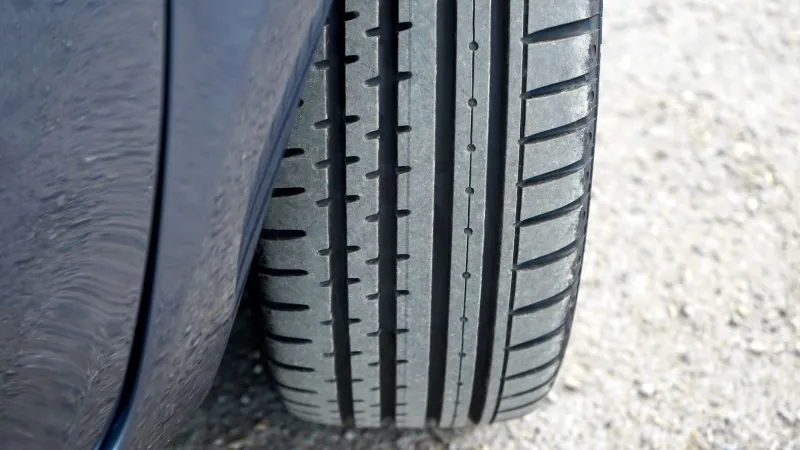
Check tyre pressures monthly, especially as the weather turns. Under-inflated tyres make every short trip thirstier and less predictable. And if your car sits for days between tiny journeys, a battery maintainer is cheaper than a recovery call.
The bottom line
Britain's short-hop habit is not going away. School runs, care trips and station drops are part of real life. But a car can survive them far better with a little planning: fewer cold starts, one decent weekly run, sensible servicing and a watchful eye on the battery and brakes. Small trips do not have to mean big bills — they just need a bit more thought than most of us give them.