Winter-Proof Your Motor: A 2026 Cold-Snap Checklist for UK Drivers
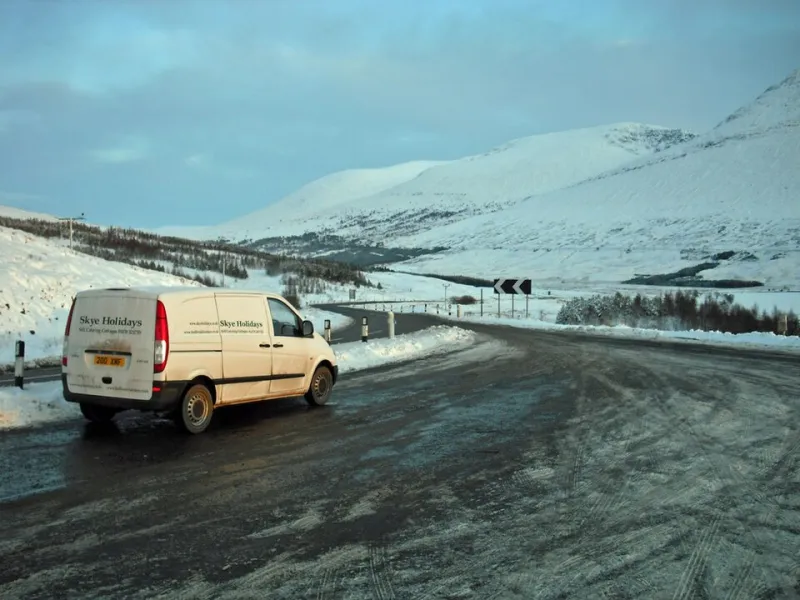
Photo: Richard Dorrell , CC BY-SA 2.0, via Wikimedia Commons
As of 8 November 2026, the UK is already in that familiar phase where the windscreen needs a scrape in the morning and the gritters start appearing on the local news. Winter is not a single event; it is a series of small, expensive surprises. A weak battery that turns over slowly on Monday can leave you stranded on a dark A-road by Friday. A tyre that looked fine in July can suddenly feel like a shopping trolley wheel in standing water.
This is not a list of things to panic about. It is a pre-winter audit: twelve checks, ranked by what they cost, how urgent they are, and how likely they are to cause a breakdown if you ignore them. Some take two minutes. A couple need a garage. All of them are cheaper than a recovery truck.
The twelve-point cold-snap audit
Use this as a rough priority order, not gospel. A car with a five-year-old battery and 2mm tread has different priorities from a nearly new one.
| Check | Typical cost | Urgency | Breakdown risk if ignored |
|---|---|---|---|
| Battery health and terminals | £0–£150 | High | High |
| Tyre tread depth | £0 to £400+ | High | High |
| Tyre pressures | £0–£1 | High | Medium |
| Coolant mix | £5–£30 | Medium | High |
| Screen wash and wipers | £5–£30 | High | Medium |
| Lights and bulbs | £0–£40 | High | Medium |
| Brakes and brake fluid | £0–£60 | Medium | High |
| Door seals and locks | £0–£15 | Low | Low |
| Fuel or charge level | £0 | Medium | Medium |
| Grit-season kit | £20–£50 | Medium | Low |
| Underbody and arches | £0–£20 | Low | Medium |
| Service and fault codes | £0–£100 | Medium | Medium |
1. Battery: the quiet winter killer
Cold weather slows the chemical reaction inside a lead-acid battery, so an old unit that copes in summer can fail once the temperature drops. Check the terminals for white crust or loose clamps, and look at the battery date code if you can find it. A battery over five years old is on borrowed time. If the engine cranks slowly or the lights dim when you start, get it tested. Many garages and motor factors will do this free or for a few quid. Do not simply buy a bigger battery unless the car needs it; check the fitting and the alternator first.
2. Tyres: tread, pressure, and the 3mm rule
The legal minimum in the UK is 1.6mm, but that is a legal line, not a safety target. For wet British roads, 3mm is a far more sensible point to start thinking about replacement. Check tread across the full width of the tyre, not just the outer edge. Pressure should be set when the tyres are cold, using the figures in the handbook or door pillar, not the number on the sidewall. Underinflation hurts grip and economy; overinflation makes the car skittish. Do not forget the spare or the tyre inflation kit.
3. Coolant, screen wash and the frozen windscreen
Antifreeze does more than stop the engine freezing. It protects against corrosion and raises the boiling point. A weak mix is false economy. Check the coolant level when the engine is cold and top up with the correct type, not just water. Screen wash should be mixed for winter, not summer. Neat screen wash is fine in very cold spells. Never use washing-up liquid; it smears and can damage paint. And never pour hot water on a frozen windscreen. Use a scraper, de-icer, or the car's demister.
4. Lights, wipers and visibility
Walk around the car and check every light: headlights, sidelights, indicators, brake lights, fog lights and number plate lights. Ask someone to help with the brake lights. Replace any blown bulbs before they become an MOT issue. Wipers should clear the screen in one pass without streaks. If they chatter or leave smears, fit new blades. Top up the screen wash at the same time. A dirty windscreen in low winter sun is just as dangerous as no lights.
5. The grit-season survival kit
You do not need a full expedition kit, but a few sensible items make a difference. A bag of grit or cat litter for traction, a small shovel, a scraper and de-icer, a torch, a hi-vis vest, a blanket, a phone charger and jump leads are a good start. Add a warning triangle if you have space. In rural areas, a flask and a warm layer are not overkill. Check the kit before you need it, not after.
6. Brakes, seals and the less glamorous bits
Brakes should feel firm and pull straight. If the pedal is spongy or the car shudders, get it checked. Brake fluid absorbs moisture over time, which can affect performance. Door seals can freeze shut; a thin smear of silicone grease on the rubber helps. Check the boot and bonnet release too. These small failures are annoying in summer and genuinely miserable in a freezing car park.
Myths that need binning
Idling for ten minutes does not do much for a modern engine; drive gently instead. Winter tyres are not just for snow; they work better in low temperatures, but decent all-season tyres are a practical compromise for many UK drivers. Overinflating tyres to cut through snow is nonsense. Neat antifreeze is not better than a correct mix. And the hot-water windscreen trick can crack the glass.
The bottom line
A winter audit is not about spending money for the sake of it. It is about finding the weak points before the weather does. Start with the battery, tyres and visibility. Then work down the list. Twenty minutes with a torch and a pressure gauge is a lot cheaper than a night on the hard shoulder.