Tap, Pay, Repeat: The Quiet Surcharge Hiding in Britain's App-Only Car Parks
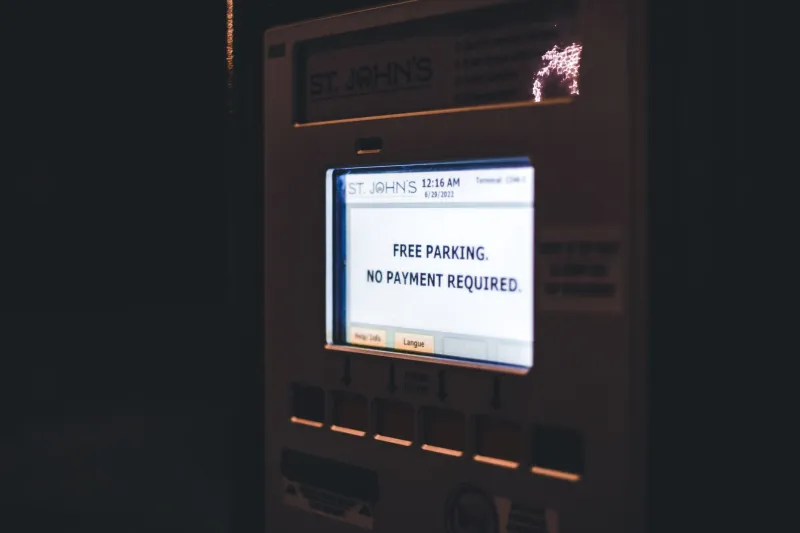
There is a particular kind of British motoring optimism that kicks in when you spot a space in a council car park. You have beaten the school-run traffic, the pay-and-display machine is nowhere to be seen, and a sign promises that parking is now ‘quick and easy’ via an app. Then you spend the next ten minutes registering, verifying a card and discovering that the advertised tariff is not quite the amount leaving your account.
Cashless parking is not the villain here. Paying by phone can be genuinely useful when the machine is broken, when you are in a hurry, or when you have no coins rattling around the glovebox. But the shift to app-only car parks has introduced a layer of small charges and operational quirks that can make a straightforward two-hour stay feel like a minor financial event. In 2026, it is worth knowing exactly what you are paying for.
The anatomy of a two-hour stay
On the surface, the deal is simple: you pay for the time you use. In practice, the total can include more than the tariff board suggests. A typical app-based parking session might add a booking or convenience fee, a card-processing charge, or an SMS confirmation fee. Some operators impose a minimum top-up, which means a £2.50 parking session can require a £5 or £10 wallet credit. That leftover balance is not necessarily lost, but it is money sitting in an app you may not use again for months.
Then there is auto-renewal. It can be a useful safety net if your meeting overruns, but it can also quietly extend your stay when you have already driven away. Drivers who tap ‘pay’ and pocket the phone without checking the settings can find themselves paying for an extra hour they never intended to buy. None of this is unique to Britain, but the patchwork of councils, private operators and payment platforms makes the experience feel particularly inconsistent here.
The fair response is not to refuse all parking apps. It is to treat the total cost, not the headline tariff, as the real price. If a car park charges £1.20 an hour but adds a 20p booking fee and a £5 minimum top-up, your two-hour stay is not really a £2.40 transaction. It is a £5 commitment with £2.60 of credit left dangling.
The signal problem
App-only parking assumes two things: that you have a smartphone and that it has a reliable data connection. Multi-storey car parks, basement levels and historic town centres are not always cooperative. You may find yourself standing by a stairwell, waving a phone at the ceiling, while the app insists it cannot verify your payment.
This is where small problems become expensive ones. A driver who cannot complete payment may assume the app has failed, leave the car and return to a penalty charge notice. Sometimes the payment did go through; sometimes it did not. Without a receipt or a screenshot, the argument becomes harder to win.
If the app will not cooperate, do not simply walk away. Take a photograph of the signage, note the time, screenshot any error message, and try an alternative payment method if one is offered. If there is a telephone payment line, use it. If there is a warden or car park office, ask for advice and note what you were told. The aim is to create a clear record that you tried to pay, rather than looking like someone who decided not to bother.
When a penalty can be challenged
The rules depend on who runs the car park. Council-owned car parks are usually covered by civil parking enforcement, with an informal challenge stage and a formal appeals process. Private car parks operate under a different regime, often with an appeal to the operator followed by an independent appeals service. The exact route matters, so check the wording on the notice rather than assuming one system fits all.
A successful challenge usually rests on evidence, not indignation. Strong grounds can include unclear signage, a payment that was made but not registered, an app outage that can be documented, or a grace period that was not honoured. ‘I did not like the app’ is unlikely to get far on its own. ‘The app showed a payment error at 10:14, my bank statement shows a pending transaction, and the signage did not explain that payment had failed’ is a different conversation.
Keep screenshots, bank records, photographs of signs and a short timeline of what happened. Be polite and factual. If you paid but received a notice anyway, say so plainly and attach the evidence. If the app charged a booking fee but failed to register the session, that is worth raising with both the parking operator and the payment provider.
A practical checklist for app-based parking
Before you leave the car, confirm that the payment has actually completed. A spinning icon is not a receipt. Save or screenshot the confirmation, check the expiry time, and turn off auto-renewal if you do not want it. If the app insists on a minimum top-up, ask yourself whether you will realistically use the credit again.
If signal is poor, try moving to a higher floor or outside the car park before giving up. Where a phone line or another payment option exists, use it. And if the system fails entirely, document everything before you walk away. The few seconds it takes to photograph a sign and an error screen can save hours of admin later.
Cashless parking should be convenient, not cryptic. The best operators show the full cost before you confirm, make auto-renewal opt-in, and provide a clear fallback when the app misbehaves. Until that becomes universal, the sensible approach is to budget for the surcharge, read the screen carefully and keep your receipts. A two-hour stay should cost two hours of parking, not a small fortune in quiet extras.